Read time: 7-8 minutes
In today's edition:
On My Mind: The Most Powerful Part of a Home Is What You Don’t See
Interesting Insight: Homes designed for emotional comfort outperform purely aesthetic homes in long-term satisfaction
A Question For You: What does your home quietly give you every day?
A THOUGHT TO PONDER
What if the true value of a home isn’t measured in square feet - but in how gently it holds your life together?
ON MY MIND
The Most Powerful Part of a Home Is What You Don’t See
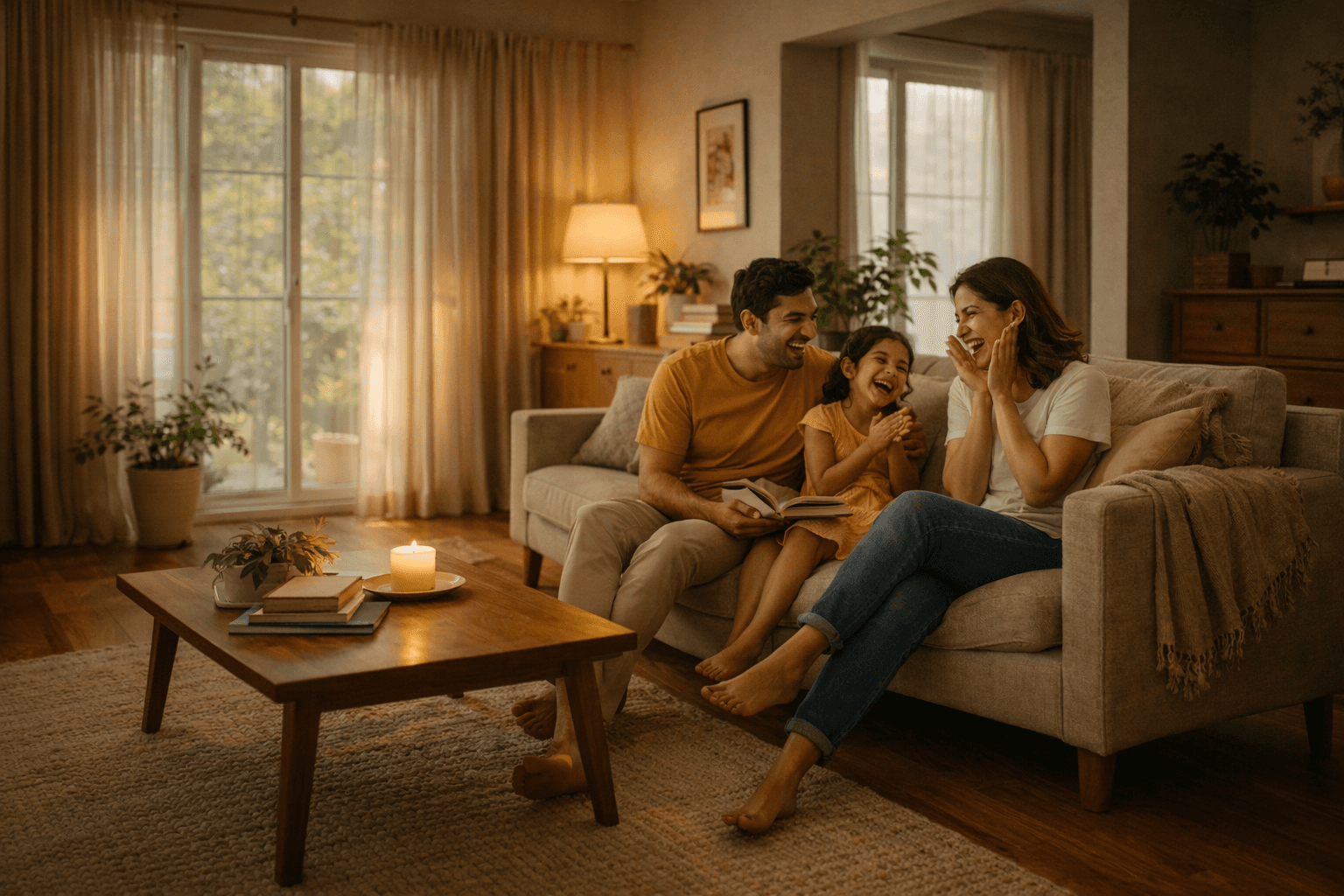
We’ve spent decades perfecting how homes look, but very little time understanding how they should feel. As we step into 2026, this gap is no longer abstract - it’s something people live with every day. Homes that were once places of return have slowly become places of recovery, absorbing the weight of endless work, restless cities, and lives lived in constant visibility.
Yet most homes are still designed for admiration, not exhaustion. The paradox is clear: the more visually striking a space becomes, the more emotionally exposed it often feels. Glass replaces walls, openness replaces retreat, and brightness replaces balance - while the human need for protection quietly goes unmet.
What gets lost is invisible architecture: the elements that never appear in brochures but shape daily life. Sound, shade, silence, transitions, and privacy without isolation are not luxuries. They are psychological infrastructure - the difference between a house that looks good and one that truly supports living.
Across cultures and centuries, enduring homes understood this instinctively. They softened light, calmed sound, and allowed the mind to rest. Today, people are slowing the question down - not asking how big a space is, but why it feels calmer. The future of housing is shifting from visible value to lived value, from assets to anchors, toward homes that don’t announce success but quietly absorb stress, doing their most important work when no one is watching.
INTERESTING INSIGHT
Homes designed for emotional comfort outperform purely aesthetic homes in long-term satisfaction
Homes designed for emotional comfort consistently show higher long-term satisfaction than those created only for visual appeal. While aesthetics capture attention, it is the underlying emotional experience of a space that determines whether people truly thrive within it over time.
Global research in environmental psychology and residential well-being reveals a clear and repeatable pattern. Homes that consciously address human senses and rhythms tend to support better mental clarity, deeper rest, and stronger daily resilience. maintenance stress, and zero agility. For them, freedom is the new luxury.
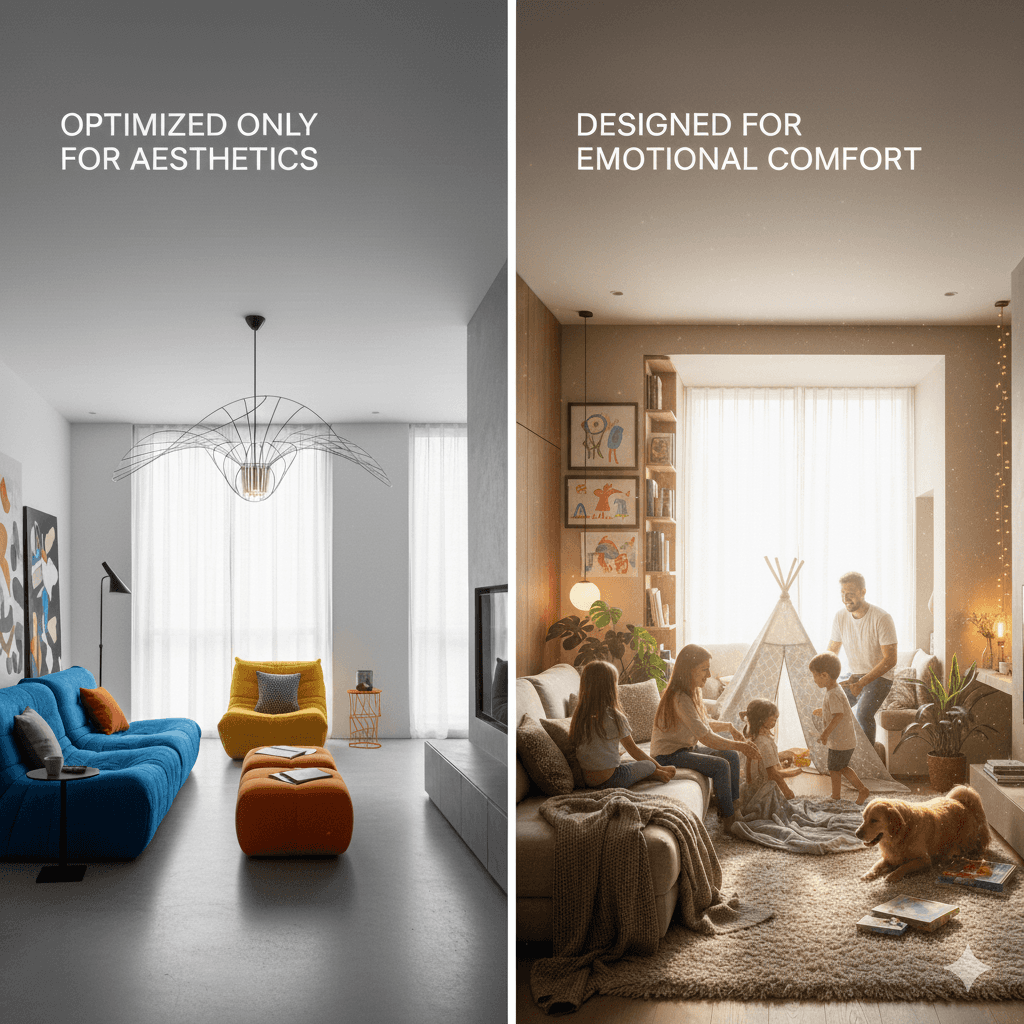
Acoustic control, for instance, improves sleep quality and cognitive function by reducing constant background stress. Soft transitions between spaces ease mental fatigue, allowing the mind to shift naturally rather than remain on high alert throughout the day.
Balanced exposure to light helps stabilize circadian rhythms, while dedicated spaces of retreat improve relationship quality by offering privacy without isolation. These subtle design decisions quietly shape how people interact, recover, and reconnect at home.
In essence, invisible design choices determine whether a home supports life or silently drains it. This is why wellness-led housing is no longer niche - it is becoming a foundational principle of how future homes are conceived and lived in.
AROUND THE WEB
Why Quiet Design Is the New Luxury - [Financial Times]
A look at how high-end homes are shifting focus from scale to serenity, prioritising emotional comfort, privacy, and long-term well-being over spectacle.
How Architecture Shapes Emotions - [Harvard Design Review]
Explores how light, sound, and spatial sequencing quietly shape mental health, daily stress levels, emotional balance, and overall psychological well-being.
The Psychology of Shelter - [The Atlantic]
Why humans instinctively seek refuge, not spectacle, in living spaces, valuing safety, calm, and emotional grounding over visual display.
Designing Homes for Recovery, Not Display - [Dezeen]
How post-pandemic housing is being re-imagined around emotional resilience, prioritizing recovery, flexibility, and mental well-being in everyday living spaces.
A QUESTION FOR YOU
When you close the door behind you at the end of the day - does your home help you exhale?
FEEDBACK
Have any detailed feedback? Write to us at hello@ashwinderrsingh.com and let us know how we can do better.
Disclaimer: This newsletter is intended for informational purposes only and should not be construed as professional advice. Please conduct your own due diligence prior to making any decisions.

Elevate your real estate journey with exclusive insights derived from decades of experience.
Join my tribe of home buyers, real estate and capital market investors, students, developers, home loan professionals and channel partners. Stay updated with my free, curated insights delivered weekly.
Subscribe to my newsletter