Read time: 5 minutes
In today's edition:
On My Mind: The Ultra-Rich Don’t Invest. They Position.
Interesting Insight: Trophy Assets Are the New Bank Accounts.
A Question For You: Are You Buying Real Estate or Building a System?
A THOUGHT TO PONDER
Wealthy investors don’t chase flashy returns—they seek control. They prefer assets they can influence, shape, or protect. It’s not about speed; it’s about stability, foresight, and building value on their own terms.
ON MY MIND
The Ultra-Rich Don’t Invest. They Position.

The ultra-rich don’t invest—they position. While most people buy real estate with the hope of appreciation or passive rental income, the ultra-wealthy approach it with an entirely different mindset. For them, property isn’t just an asset—it’s a financial shield. They don’t chase returns; they design portfolios that protect, preserve, and position their capital with precision. A 3% rental yield isn’t even on the radar. Instead, they focus on strategic advantages: assets with high depreciation that offer tax benefits, interest-only loans to maintain liquidity and deploy cash where it matters most, and properties with trophy value—symbols of status that quietly hold value and prestige behind layers of privacy.
This isn’t speculative investing. It’s calculated architecture—building structures that optimize for control, not volatility. These properties are rarely sold. They’re held long-term, passed down, often hidden behind trusts or layered entities that make them virtually invisible. It’s about financial resilience, not market timing.
And increasingly, India is catching on. Across cities like Mumbai, Bangalore, and Delhi, sharp family offices, seasoned HNIs, and new-age entrepreneurs are embracing this approach. They're no longer buying just for returns—they’re buying to build enduring legacies. In this game, wealth isn’t just grown. It’s structured, shielded, and strategically positioned. Quietly. Powerfully. Permanently.
INTERESTING INSIGHT
In 2024, 34% of India’s UHNIs bought extra homes to store capital.
In 2024, a notable 34% of Ultra High Net-Worth Individuals (UHNIs) in India added a second or third property to their portfolio—not to live in, and not for rental yield, but to strategically store capital.
These weren’t lifestyle purchases; they were quiet financial moves. While the average buyer looks for appreciation or cash flow, the ultra-rich use real estate as a discreet, stable warehouse for wealth—an off-book, low-volatility asset that holds value even when markets fluctuate.
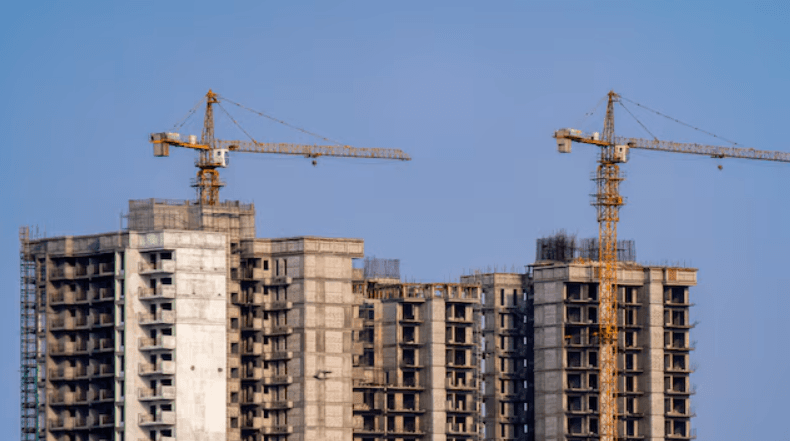
These properties often remain unoccupied. They're not designed for Instagram-worthy interiors or Airbnb listings. They're handpicked for location resilience, future scarcity, and legal structures that allow for privacy and control. In many cases, they're acquired through trusts or corporate entities, adding a layer of discretion that’s just as important as the asset itself. Real estate, in this context, isn’t about utility—it’s about wealth choreography. It’s about insulation, optionality, and legacy.
This shift reflects a broader trend: India’s elite are no longer playing by conventional investment rules. They’re thinking generationally, architecting their wealth with intent. From ocean-view apartments in South Mumbai to boutique villas in Goa and gated estates outside Bangalore, real estate has become a key tool in their financial arsenal—not just to grow wealth, but to protect and preserve it across cycles, across borders, and across lifetimes.
This is not real estate as the middle class knows it. This is capital preservation as an art form. And it’s unfolding—quietly, powerfully—right here in India.
AROUND THE WEB
Why the Wealthy Use Real Estate Like a Safe Deposit Box: The wealthy use real estate like a vault—secure, discreet, and built to preserve capital quietly. (Bloomberg)
How Interest-Only Loans Are Fueling Discreet Acquisitions: Borrowers of Standard Chartered with a home loan ticket size of ₹35 lakh to ₹3.5 crore can choose to pay only the interest amount via equated monthly installments (EMIs) for an initial period of 1–3 years. (Mint)
India’s Silent Surge in Off-Market Property Deals: India’s housing market slowed sharply in Q1 2025, with sales across the top seven cities plunging 28% YoY amid rising prices and global uncertainties, while new launches fell 10%, ANAROCK Research reported. (CNBC TV18)
A QUESTION FOR YOU
When you think of real estate Do you see bricks and mortar…Or a system that protects your power?
FEEDBACK
Have any detailed feedback? Hit reply to this email and let us know what we can do better.
Disclaimer: This newsletter is intended for informational purposes only and should not be construed as professional advice. Please conduct your own due diligence prior to making any decisions.


Elevate your real estate journey with exclusive insights derived from decades of experience.
Join my tribe of home buyers, real estate and capital market investors, students, developers, home loan professionals and channel partners. Stay updated with my free, curated insights delivered weekly.
Subscribe to my newsletter