Read time: 6 minutes
In today's edition:
On My Mind: What Architecture Can Teach Us About Love, Space, and Staying Together
Interesting Insight: In Japan, architects design “pause spaces” in homes - small nooks intentionally left open for reflection. Studies by Kyoto University found that families with access to open-air courtyards or terraces reported 30% lower conflict and stress levels.
A Question For You: If your home could teach you one thing about love - what would it be?
A THOUGHT TO PONDER
What if lasting relationships depend less on words and therapy, and more on spaces designed for connection, calm, and shared rhythm?
ON MY MIND
What Architecture Can Teach Us About Love, Space, and Staying Together
What Architecture Can Teach Us About Love, Space, and Staying Together
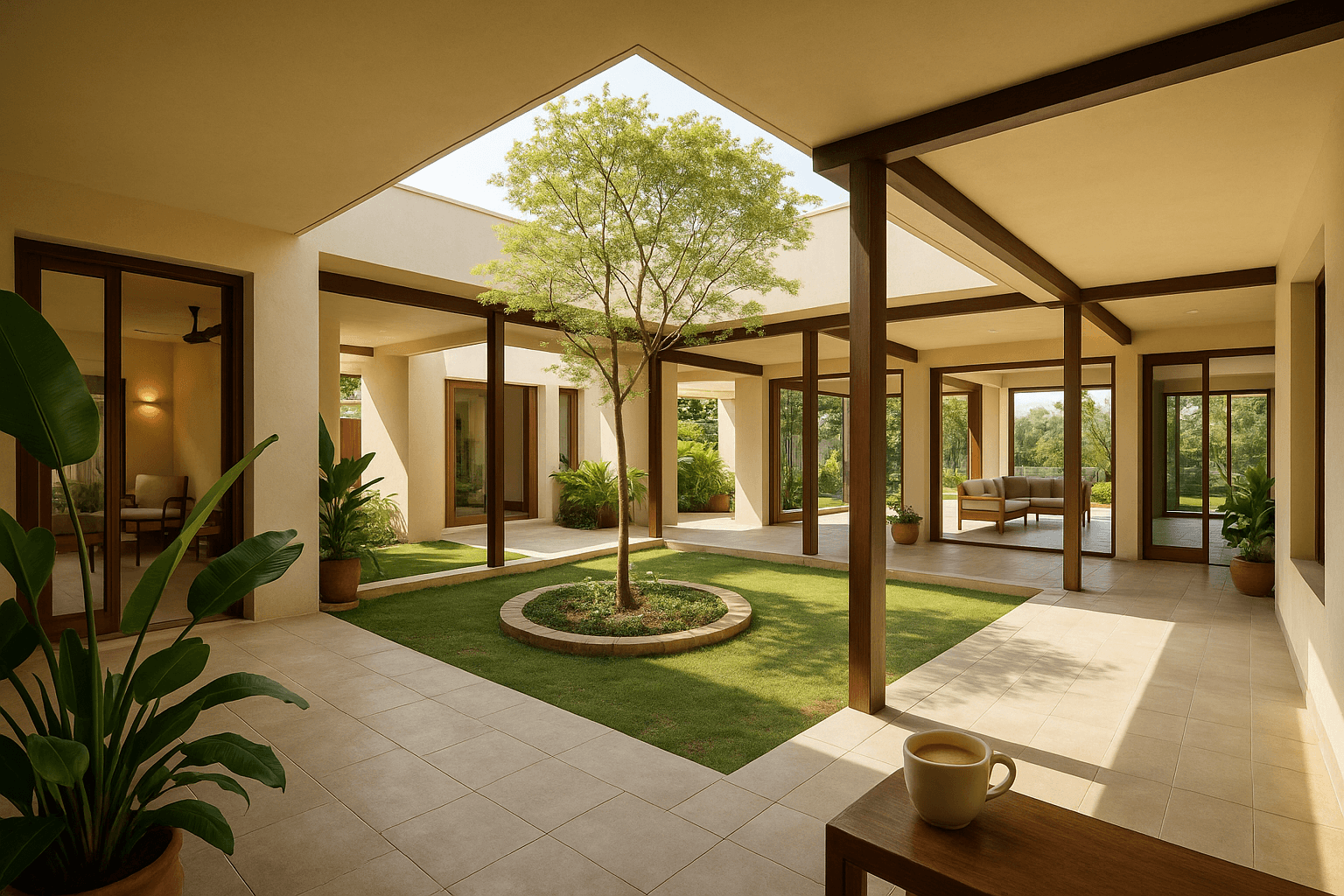
We often say, “Good walls make good neighbors.” But perhaps, the same is true for relationships. Architecture and human connection share a quiet truth - both collapse when space disappears. In most Indian homes, the balcony, courtyard, or even the kitchen window plays a subtle yet profound role. It becomes a pause between people - a space where silence replaces conflict and air replaces argument. It is where perspective is born, and sometimes, where love quietly returns.
The Geometry of Understanding
Great architecture balances proximity and distance. A window frames the world without closing it off, a courtyard connects without crowding. Similarly, every relationship needs both - closeness and room to reflect. When people lose that balance, emotions overheat. The secret to longevity - whether in design or love - lies in creating boundaries that nurture, not divide. Because connection, like light, becomes meaningful only when shaped by space.
Space as Therapy
Some of the world’s most humane designers - Charles Correa, Geoffrey Bawa, Laurie Baker - knew that a house heals when it breathes. They designed not only for light and ventilation, but for emotion. A home that allows solitude also allows peace. When couples have corners to retreat to, they also have places to return from. Architecture, at its best, teaches us that healing is not about separation - it’s about the rhythm between retreat and return.
Design as Dialogue
Architecture teaches us that good design doesn’t shout - it listens. The best homes, like the best relationships, are built through feedback loops, adjustments, refinements, and quiet learning. A window moved for better light, a tone softened for better understanding - both are acts of love through design. The process matters as much as the product. Relationships, like architecture, thrive on iteration - on the courage to edit without erasing.
The New Age of Emotional Architecture
Globally, architects are rethinking space as a mental wellness tool. Balconies, skylights, soundproof zones, and walking paths inside homes are being designed to reduce emotional fatigue. Developers are integrating sensory balance - light that follows the circadian rhythm, materials that soothe, and layouts that invite reflection. The next frontier of architecture isn’t just smart buildings, it’s emotionally intelligent ones - homes that understand how people feel, not just how they live.
The Architecture of Forever
Love, like a home, needs maintenance, ventilation, and sunlight. It’s not built once; it’s restored daily. The walls that protect can also imprison - unless they breathe. And sometimes, what keeps people together is not words, but walls built with wisdom. The best homes - and the best relationships - are not flawless, they are lived in. They age, adapt, and endure - beautifully imperfect, yet deeply human.
INTERESTING INSIGHT
In Japan, architects design “pause spaces” in homes - small nooks intentionally left open for reflection. Studies by Kyoto University found that families with access to open-air courtyards or terraces reported 30% lower conflict and stress levels.
In Japan, architects design what they call “pause spaces” - small nooks intentionally left open for reflection. These are not leftover corners, but sacred intervals within daily life. A quiet alcove by the window, a tatami step facing a garden - each becomes an emotional reset point. Studies by Kyoto University found that families with access to open-air courtyards or terraces reported 30% lower conflict and stress levels. The science is simple: space to pause is space to heal.
In a culture that prizes efficiency, Japan reminds us that stillness, too, can be a form of progress. By designing emptiness, architects make room for awareness - for noticing light, sound, and one another. The “pause space” is not an absence of function, but an invitation to feel. It balances the rhythm of modern life, transforming homes from containers of activity into sanctuaries of calm.
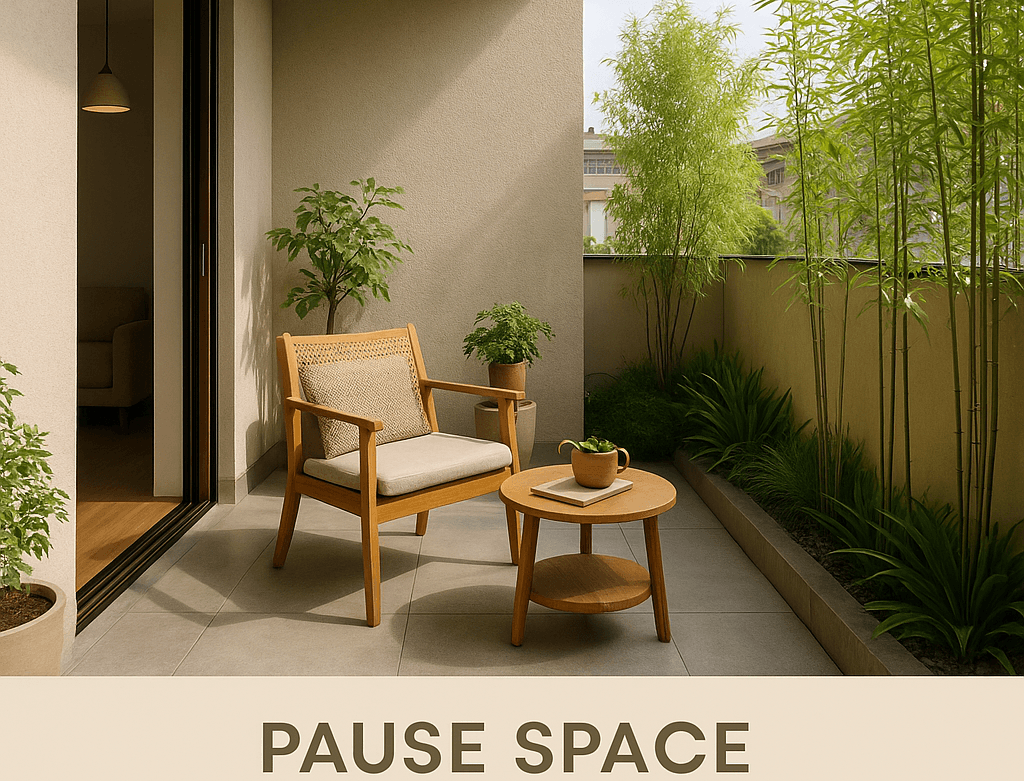
India is beginning to rediscover this truth. Developers and designers are slowly embracing the “pause principle” through semi-open balconies, oxygen terraces, and wellness-centric layouts. The courtyard, once central to traditional Indian homes, is reappearing in contemporary form - as a terrace garden, an atrium, or even a well-lit corner for quiet rituals. It’s a design evolution rooted in ancient wisdom: our mental well-being begins with how we inhabit space.
These new design languages are more than aesthetic choices - they are acts of empathy. Architecture is learning to listen again: to the body that tires, to the mind that needs pause, and to the relationships that need breathing room. A well-placed balcony or an open-air walkway becomes emotional infrastructure - subtle, but deeply restorative.
In the future, the healthiest homes won’t just have smart systems or air purifiers - they will have designed stillness. Spaces that remind us to slow down, to look up, to reconnect. Because the true luxury of modern living is not more space, but better pauses within it. The architecture of pause is, in the end, the architecture of peace.
AROUND THE WEB
The Architecture of Relationships – [The Atlantic]
Physical space shapes emotional intimacy, guiding interactions, easing tensions, and creating environments where conflict resolution naturally occurs.
Homes that Heal – [The Guardian]
Emerging global design movements integrate architecture, psychology, and wellness, creating spaces that nurture mind, body, and emotional balance.
India’s Wellness Real Estate Boom – [Business Standard]
Indian developers are adopting mindfulness and biophilic design, crafting homes that promote emotional well-being and sustainable living.
Space, Silence, and Human Bonding – [Harvard Design Review]
Research shows that small architectural interventions enhance communication, fostering healthier interactions among couples and family members.
A QUESTION FOR YOU
If your home could teach one lesson about love, it would be patience, space, and shared understanding.
FEEDBACK
Have any detailed feedback? Write to us at hello@ashwinderrsingh.com and let us know how we can do better.
Disclaimer: This newsletter is intended for informational purposes only and should not be construed as professional advice. Please conduct your own due diligence prior to making any decisions.


Elevate your real estate journey with exclusive insights derived from decades of experience.
Join my tribe of home buyers, real estate and capital market investors, students, developers, home loan professionals and channel partners. Stay updated with my free, curated insights delivered weekly.
Subscribe to my newsletter