Read time: 5 minutes
In today's edition:
On My Mind: Why Soil Is the New Asset Class (And Very Few Understand It)
Interesting Insight: Global farmland funds control $52 billion worth of soil-based assets as of 2024.
A Question For You: Would you invest in soil as your next real estate asset?
A THOUGHT TO PONDER
The wisest investors today aren’t chasing skyscrapers or condos - they’re securing fertile topsoil, investing in food, sustainability, and future security.
ON MY MIND
Why Soil Is the New Asset Class (And Very Few Understand It)
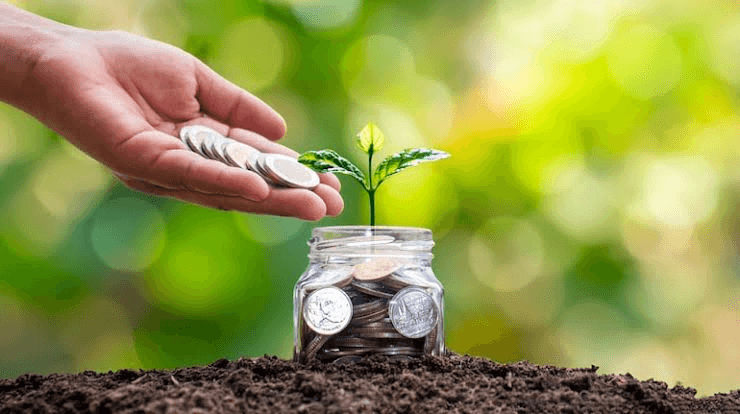
High-quality cultivable land is quickly becoming one of the world’s rarest and most strategic real assets. As climate change accelerates and global populations rise, fertile land capable of producing food, storing water, and supporting biodiversity is in increasingly short supply. It’s not just about farming anymore - soil has become a linchpin for food security, water rights, carbon credit farming, and even biodiversity offsets. The land itself is being revalued not for what it grows today, but for the life systems it can sustain tomorrow.
This shift is driving intense interest from private equity firms, sovereign wealth funds, and ultra-high-net-worth (UHNW) investors. They’re no longer just buying land - they’re targeting regenerative farmland that can enhance soil health, water-rich microbasins that hold long-term water security value, and tracts suited for land banking in anticipation of future climate credit markets. As these new "eco-assets" emerge, land ownership is evolving from a passive investment into an active strategy for environmental and financial returns.
India, with its vast but fragmented land holdings, is emerging as a quiet yet compelling target for these global soil funds. Despite regulatory complexities, the country offers unique opportunities for land aggregation, sustainable cultivation, and low-cost entry into regenerative agriculture. India's diverse agro-climatic zones, rising domestic food demand, and increasing interest in carbon and biodiversity markets make it a strategic frontier for investors looking to position themselves at the intersection of agriculture and climate finance.
What was once considered simple farmland is now being redefined as future currency. As governments create frameworks for carbon credits, water markets, and biodiversity trading, land with the right ecological and legal characteristics will command premium value. This isn’t just a land grab - it’s a race to secure a new class of assets that can generate both yields and resilience in a world facing environmental and economic instability.
INTERESTING INSIGHT
Global farmland funds control $52 billion worth of soil-based assets as of 2024.
As of 2024, global farmland investment funds now control over $52 billion worth of soil-based assets, marking a major shift in how institutional capital views agriculture and natural resources. Farmland is no longer just the domain of traditional farmers -it's now a strategic investment vehicle for hedge funds, pension funds, and high-net-worth individuals looking for stable, inflation-resistant assets. This trend reflects a growing recognition that fertile land is not just productive, but increasingly scarce and valuable.
The appeal of farmland lies in its unique mix of income and resilience. Unlike volatile equities or depreciating urban properties, farmland generates consistent cash flow through agricultural production, while also appreciating in value over time. With global food demand projected to rise by 50% by 2050, ownership of productive soil becomes a long-term bet on food security. Additionally, these assets offer a hedge against inflation and currency volatility, making them particularly attractive in uncertain economic climates.

Another key driver behind the $52 billion farmland boom is the rise of regenerative agriculture and sustainability-linked investments. Institutional investors are under increasing pressure to allocate capital toward ESG (Environmental, Social, Governance) assets, and farmland offers a compelling story. Through regenerative practices - such as cover cropping, rotational grazing, and no-till farming - soil can be improved rather than depleted, allowing investors to generate both financial returns and measurable environmental impact, including carbon sequestration and biodiversity restoration.
However, this rapid accumulation of farmland by global funds also raises concerns. When large-scale investors control vast tracts of agricultural land, questions of access, equity, and stewardship emerge. There’s growing debate about how these funds manage soil health, treat tenant farmers, and impact rural communities. As farmland becomes a financial asset class, the challenge will be ensuring that soil remains a living, regenerative resource - not just another commodity to be extracted for profit.
AROUND THE WEB
When Soil Outperforms Stocks (Bloomberg Green)
When managed regeneratively, soil can outperform stocks—delivering steady returns, inflation protection, and environmental value in a volatile financial world.
India’s Untapped Soil Wealth (Business Standard)
India’s fragmented yet fertile land holds immense untapped value for regenerative agriculture, carbon markets, and long-term sustainable investment opportunities.
Carbon Credits and Farmland Investing (Financial Times)
Farmland investing is evolving as carbon credits turn soil into a profitable climate asset, attracting institutional capital and ESG-driven investors.
A QUESTION FOR YOU
Investing in soil offers more than land - it’s a bet on food security, climate resilience, and long-term, regenerative asset growth.
FEEDBACK
Have any detailed feedback? Hit reply to this email and let us know what we can do better.
Disclaimer: This newsletter is intended for informational purposes only and should not be construed as professional advice. Please conduct your own due diligence prior to making any decisions.


Elevate your real estate journey with exclusive insights derived from decades of experience.
Join my tribe of home buyers, real estate and capital market investors, students, developers, home loan professionals and channel partners. Stay updated with my free, curated insights delivered weekly.
Subscribe to my newsletter