Read time: 7 minutes
In today's edition:
On My Mind: Why Some Homes Heal You and Others Exhaust You?
Interesting Insight: Harvard’s Center for the Built Environment found that
40% of human happiness at home comes from invisible design cues - not luxury, not configuration, not amenities.A Question For You: When you think back to the best home you ever lived in…Was it the size you remember - or the feeling it gave you?
A THOUGHT TO PONDER
What if your home isn’t merely where you live but the force continuously shaping who you are becoming each day?
ON MY MIND
Why Some Homes Heal You and Others Exhaust You?
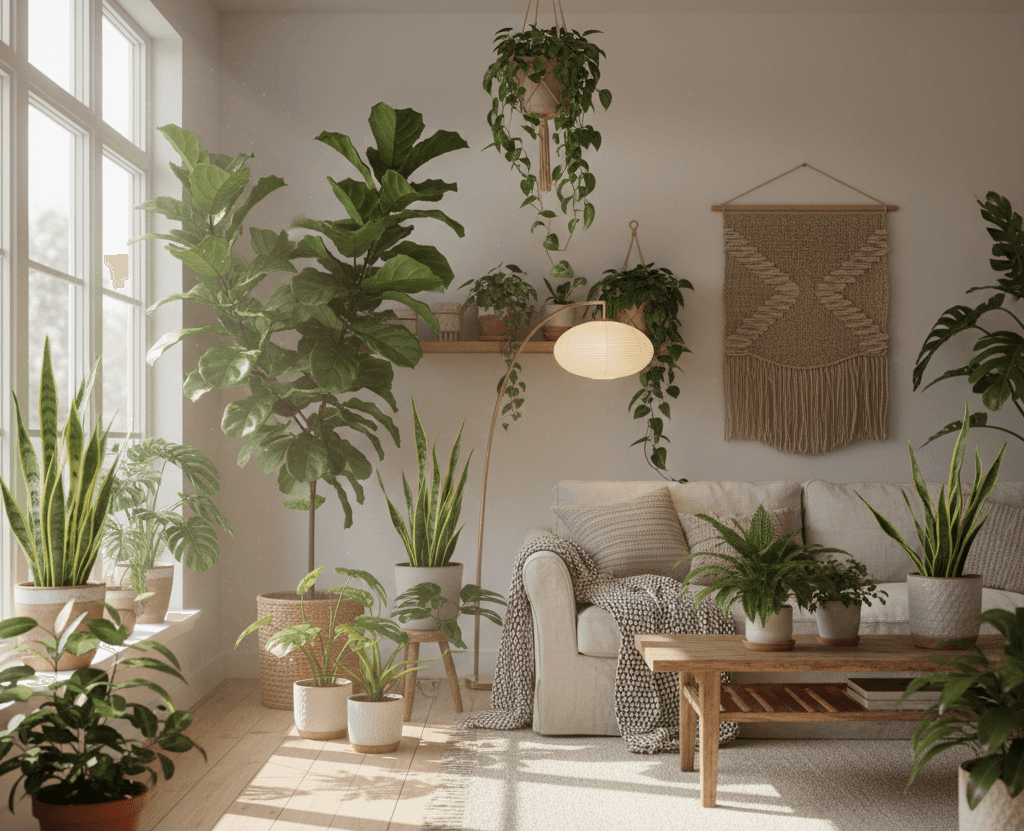
Every decade in Indian real estate has had its defining theme - from the affordable housing boom, to the rise of luxury towers, to the popularity of gated communities. But quietly, almost without fanfare, a new paradigm has emerged: homes are no longer just architectural structures; they’ve evolved into emotional ecosystems. And emotional ecosystems influence everything - mood, relationships, productivity, stress, sleep, and even the sense of belonging. This isn’t philosophy. It’s neuroscience meeting design.
Homes shape behaviour in ways we rarely notice. Some homes make you calmer, while others trigger restlessness. Some naturally bring families together, while others push people into separate rooms. These patterns come from emotional architecture - the width of passages, the flow of air, how sound travels, how morning light enters, or whether a living room welcomes or repels. Over time, these subtle cues accumulate into one powerful truth: homes are emotional machines. They either nourish you or slowly drain you.
India is now stepping into the decade of emotional housing. The next wave of demand won’t be led by FSI calculations or amenity checklists, but by what homes make people feel. Buyers are choosing calm over carpet area, connection over configuration, natural light over luxury fittings, and belonging over branding. Developers who understand emotional design - not just market trends - will be the ones who truly lead this decade.
The emotional intelligence of a home is not abstract; it can be observed, measured, and replicated. Across India’s best-performing projects, certain emotional signatures keep appearing: soft corners where people naturally gather, intuitive circulation that makes movement feel grounded, acoustics that protect silence, sunlight that shapes mood, and walkability within the home that feels effortless. These aren’t aesthetic flourishes - they are psychological design decisions that reshape how people live.
Emotionally intelligent homes create real, measurable economic value. They sell faster because buyers decide quickly when a space ‘feels right.’ They generate higher referral rates because people instinctively share spaces they’re proud of. They reduce buyer’s remorse because emotionally aligned homes lead to fewer complaints. And most importantly, they build long-term loyalty - people forgive minor flaws when the emotional environment is positive. Emotion, not excess, will become the new competitive moat in Indian real estate.
INTERESTING INSIGHT
Harvard research shows 40% of home happiness comes from invisible design, not amenities.
Harvard’s Center for the Built Environment found that nearly 40% of human happiness at home comes from invisible design cues - not luxury fittings, not configurations, not the length of an amenity list. The things that matter most are often the things we don’t consciously notice. And yet, they shape our daily emotional climate more powerfully than any visible upgrade ever could.
These invisible cues are, in reality, emotional cues. The way a home makes you breathe, pause, unwind, speak, connect, or feel safe has little to do with marble or modular design. It has everything to do with how light moves, how sound rests, how space flows, and how the home supports the rhythm of life. Invisible design is emotional design - and it leaves a deeper imprint than any aesthetic choice.
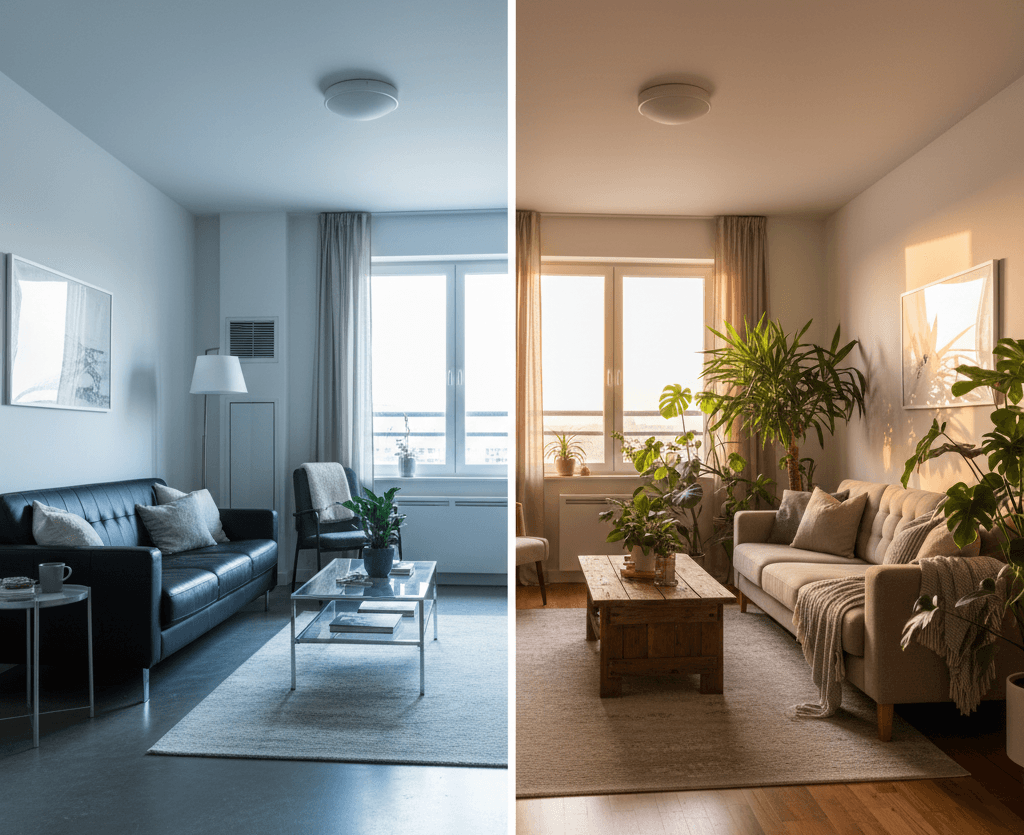
This is why two apartments that look identical on paper - same plan, same size, same tower, same developer - can create entirely different experiences for the people living in them. One feels warm, grounding, and intuitive. The other feels cold, cluttered, or subtly stressful. The difference doesn’t lie in the layout. It lies in the silent vocabulary of the space.
The layout is the constant. But emotional architecture is the variable - the intangible layer that makes one home feel restful and another feel restless. Where the morning light lands, how the entrance welcomes you, what the corners invite you to do, how noise travels, where your eyes naturally rest - these micro-signals compose the emotional soundtrack of a home.
When you understand this, real estate looks different. Great homes are not just built; they are emotionally engineered. And the future of living will belong to the developers, architects, and buyers who recognise that the most powerful parts of a home are the ones you can’t see - but feel every single day.
AROUND THE WEB
How Homes Shape Mood — [The Atlantic]
Everyday design elements subtly influence stress, improve sleep quality, and shape emotional regulation through constant, unseen interactions.
The Psychology of Floor Plans — [BBC Future]
Movement inside a home shapes family dynamics by guiding interactions, reducing friction, and encouraging natural connection daily.
Designing for Human Behaviour — [MIT Media Lab]
Architecture can predict and shape social patterns by guiding behavior, influencing interaction, and subtly directing human connection.
Emotional Architecture in Cities — [Financial Times]
Global cities now bet on emotional infrastructure as environments shaping wellbeing increasingly drive collective resilience.
A QUESTION FOR YOU
When you think back to the best home you ever lived in, was it the size you remember or the feeling it gave you?
FEEDBACK
Have any detailed feedback? Write to us at hello@ashwinderrsingh.com and let us know how we can do better.
Disclaimer: This newsletter is intended for informational purposes only and should not be construed as professional advice. Please conduct your own due diligence prior to making any decisions.

Elevate your real estate journey with exclusive insights derived from decades of experience.
Join my tribe of home buyers, real estate and capital market investors, students, developers, home loan professionals and channel partners. Stay updated with my free, curated insights delivered weekly.
Subscribe to my newsletter