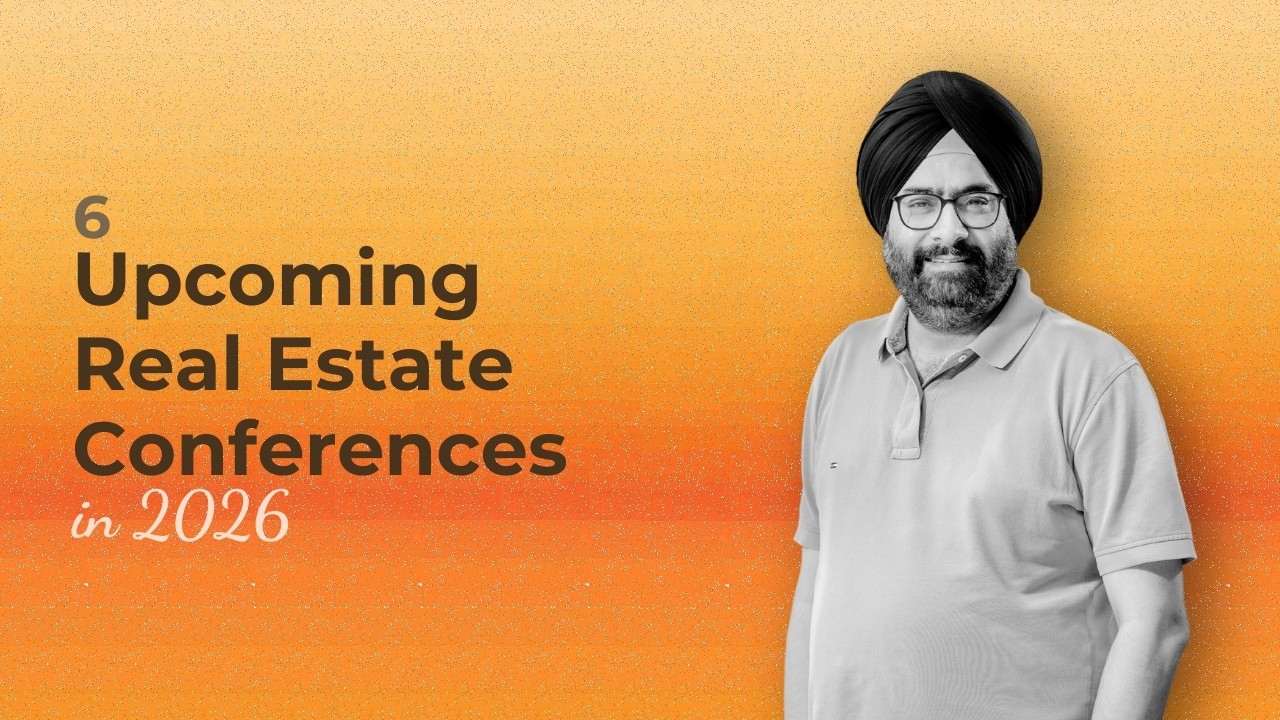
text
As India’s real estate sector enters a more regulated and institutionally driven phase, upcoming real estate conferences in 2026 will play a critical role in shaping how stakeholders interpret policy, capital flows, and market direction. For first-time homebuyers evaluating RERA-compliant projects, investors tracking commercial yields and REIT performance, developers responding to approval reforms, and professionals upgrading regulatory and technical skills, these conferences now function as structured learning and insight platforms rather than informal networking events.
With India’s property market projected by government and industry bodies to approach a USD 1 trillion valuation by 2030, real estate conferences in 2026 will increasingly focus on regulatory execution, capital market participation, dispute resolution mechanisms, commercial and industrial asset growth, and region-led development strategies.
This article outlines the upcoming conferences to track in 2026 and explains how different stakeholder groups can extract practical, long-term value from attending them.
Key Takeaways
Real estate conferences in 2026 offer strategic insights for investors, developers, homebuyers, and professionals on market trends, regulation, and capital strategies.
Attendees can identify emerging micro-markets, understand urban growth patterns, and anticipate regulatory changes across residential and commercial sectors.
Networking opportunities enable collaboration with policymakers, lenders, PropTech innovators, and institutional investors, strengthening professional relationships and market credibility.
Specialised sessions provide guidance on financing, RERA compliance, REITs, ESG integration, and tech-driven real estate solutions.
Selecting the right conference requires aligning goals, evaluating agendas, assessing attendee profiles, and considering long-term professional and investment benefits.
Why You Should Attend Real Estate Conferences in 2026
Attending a real estate conference provides more than just networking; it equips homebuyers, investors, developers, and professionals with actionable insights, regulatory clarity, and strategic foresight. These forums serve as platforms to decode policy, track capital flows, and anticipate market shifts.
Key Benefits of Attendance:
1. Gain Regulatory and Market Clarity: Understand RERA compliance updates, SEBI REIT guidelines, and housing finance trends directly from policymakers and senior regulators. Conferences like the ICC Real Estate Summit offer live discussions on urban infrastructure, zoning reforms, and municipal approvals.
2. Discover Investment and Development Opportunities: Identify high-yield micro-markets, emerging commercial hubs, and upcoming residential projects. Sessions at ET Realty & Beyond Summits highlight actionable strategies for residential, commercial, and warehousing sectors.
3. Network with Key Stakeholders: Engage with institutional investors, HNIs, developers, brokers, and PropTech leaders. Structured one-on-one meetings and panel interactions enable first-time buyers and developers to connect with decision-makers influencing capital allocation and project execution.
4. Stay Ahead with Technology and Innovation: Learn about PropTech solutions, AI-driven construction, digital sales platforms, and smart building innovations. These sessions allow developers and professionals to utilise technology for faster approvals, enhanced operational efficiency, and customer-centric delivery.
5. Professional Development and Knowledge Enhancement: Students, career starters, and industry professionals gain exposure to real-world case studies, workshops, and practical frameworks. Access to research, market analytics, and expert-led tutorials strengthens your strategic decision-making and career growth.
Also Read: How Single Window Clearance Real Estate India Works
6. Evaluate Capital Structures and Financing Models: Conferences provide insights on REITs, AIFs, fractional ownership, credit funds, and IPO opportunities, helping investors and developers plan financing and investment strategies with greater confidence.
Stay updated on BCD India’s latest projects, infrastructure insights, and urban development strategies while exploring the emerging trends shaping India’s real estate market in 2026.
For a clear picture, it’s useful to look at the key events lined up for 2026.
6 Upcoming Real Estate Conferences in 2026
Attending real estate conferences is essential for networking, staying up to date on policy changes, and monitoring market trends. The following key forums will offer actionable insights for developers, investors, and professionals.
1. The Economic Times Real Estate Conclave 2026
Date: 25th February, 2026
Location: Taj Santacruz, Mumbai
India’s real estate market is entering a phase defined by growth, consolidation, and deeper institutional participation. Residential sales across major metros have reached multi-year highs, driven by premium and luxury demand, while office leasing continues to accelerate, led by GCCs, BFSI, and tech-enabled sectors.
The Economic Times Real Estate Conclave 2026 convenes policymakers, developers, investors, occupiers, and industry thought leaders to discuss opportunities, risks, and disruptive trends shaping India’s built environment for the next decade.
Key Discussion Topics:
Residential demand surge and affordability challenges
Record office absorption and GCC-led leasing momentum
Capital flows via REITs, SM REITs, AIFs, and new investment structures
IPO activity, credit expansion, and developer consolidation
Regulatory evolution: RERA, NHB guidelines, and housing finance norms
Sustainability, green construction practices, and tech-driven innovation
Emerging sectors: rental housing, redevelopment, warehousing, and data centres
Key Speakers: Ashish Raheja, Managing Director, Raheja Universal
Who Should Attend:
Builders & Developers
Architects & Interior Designers
Structural Engineers
Co-working & Co-living Operators
International Property Consultants
Urban Planners
Government Officials (RERA, Development Authorities, Municipal Corporations)
Real Estate Brokers & Agents
Delegate Pass: Gold; Early Bird Offer: ₹5,000 + Taxes
2. 3rd Edition of Commercial Real Estate Conclave
Date: 3rd February, 2026
Location: Taj MG Road, Bengaluru
FICCI presents the 3rd Edition of the Commercial Real Estate Conclave, themed “Reimagining Real Estate: Flexible Office Spaces | PropTech | Warehousing”, highlighting how innovation is reshaping India’s commercial property sector.
The conclave focuses on the rapid evolution of hybrid workplaces, smart buildings, and tech-enabled logistics hubs, addressing how developers, investors, and institutional occupiers can utilise adaptability and PropTech to meet changing business requirements. It also facilitates knowledge sharing among government bodies, research institutes, and private-sector stakeholders to align policies, operations, and technology adoption.
Key Discussion Topics:
Flexible office spaces and hybrid work trends
Smart building design and energy-efficient infrastructure
PropTech solutions driving operational efficiency
Growth of warehousing and logistics hubs across India
Policy alignment with commercial property trends
Investment strategies for institutional and HNI investors
Opportunities for regional commercial real estate development
Key Speakers Fold: The conclave will host industry leaders, PropTech innovators, commercial developers, logistics experts, and policy makers sharing insights on flexible offices, warehousing, and emerging real estate trends.
Who Should Attend:
Commercial Property Developers & Investors
Real Estate Brokers and Agents
Facility Management Professionals
Corporate Real Estate Managers
PropTech Startups & Innovators
Urban Planners & Policy Advisors
Logistics & Warehousing Operators
Delegate Fee: INR 3,500 + 18% GST per participant
3. International Conference on Real Estate Arbitration, Mediation, and Dispute Resolution (ICREAMDR - 26)
Date: 8th February, 2026
Location: Pondicherry, India
The International Conference on Real Estate Arbitration, Mediation, and Dispute Resolution offers a premier platform for professionals, scholars, and students to explore dispute resolution, legal frameworks, and best practices shaping India’s real estate sector.
Scheduled for 8th February 2026 in Pondicherry, the conference features keynote addresses by internationally recognised experts, hands-on workshops on advanced arbitration and mediation techniques, and ample networking opportunities for academics, legal professionals, and industry stakeholders. Participants can also publish in Scopus, Google Scholar, and UGC-indexed journals, with awards recognising the Best Paper and Best Presentation.
Key Discussion Topics
Emerging trends in real estate arbitration, mediation, and legal compliance
Cross-border dispute resolution and international best practices
Regulatory evolution and its impact on property transactions
Risk management strategies in commercial and residential developments
Technology-driven tools for dispute tracking and resolution
Key Speakers: The conference will feature international arbitrators, legal experts, industry leaders, and academics sharing insights on real estate arbitration, RERA compliance, dispute resolution, and emerging research trends.
Who Should Attend:
Researchers, Academicians, and Legal Scholars
Industry Professionals and Real Estate Technologists
Postgraduate, PhD Scholars, and Students
Entrepreneurs and Independent Consultants
Institutional Leaders, Regulators, and Policy Makers
Delegate Fee: Fees typically vary based on delegate type, early registration windows, and access level to conference sessions, workshops, and networking forums.
Also Read: Property Registration Charges in Bangalore 2025-2026
4. ET Realty & Beyond Summit Chandigarh 2026
Date: 6th March 2026
Location: Chandigarh
The ET Realty & Beyond Summit returns to Chandigarh on 6th March 2026, offering a platform for industry professionals, investors, developers, and policymakers to explore Northern India’s advancing real estate sector. With over 150 participants, 25+ speakers, and 4+ sessions, the summit combines knowledge sharing with extensive networking opportunities.
The summit offers a unique opportunity for stakeholders to gain strategic insights into Northern India’s real estate trends, regulatory shifts, and infrastructure developments, while connecting directly with key decision-makers and industry innovators.
Attendees can engage in one-on-one meetings with speakers, sponsors, and peers, access all event information in a single platform, and participate in interactive sessions such as keynotes, workshops, fireside chats, and a tech showcase, ensuring both learning and meaningful connections.
Key Discussion Points:
Balancing Chandigarh’s architectural heritage with modern, vertical development.
Urban growth strategies for the tri-city region: Chandigarh, Panchkula, and Mohali.
Residential demand trends in plotted development, villas, and luxury housing.
Influence of NRIs and HNIs on premium property markets.
Regulatory reforms enhancing transparency and compliance in Northern India.
Infrastructure developments driving real estate expansion.
Community-centric and design-led planning for future urban projects.
Key Speakers: The summit will feature thought leaders, senior developers, policymakers, and industry experts sharing their perspectives on market trends, regulatory reforms, and innovative real estate practices.
Who Should Attend:
Builders and developers focusing on Chandigarh, Panchkula, and Mohali
Real estate investors, HNIs, and NRIs exploring premium properties
Urban planners and architects driving design-led development
Brokers, agents, and consultants looking for market intelligence
Government officials and regulators involved in real estate policy and approvals
Real estate technology and PropTech solution providers
Delegate Fee:
Gold Early Bird: ₹2,000 + Taxes.
Platinum Early Bird: ₹3,000 + Taxes
5. ET Realty & Beyond Summit North Bengaluru
Date: 23rd January 2026
Location: North Bengaluru
North Bengaluru has emerged as the city’s fastest-growing real estate hub, outpacing East Bengaluru in 2025. Residential and commercial demand is surging, driven by infrastructure projects, expanding business corridors, and premium and mid-segment housing appetite. The summit provides stakeholders with a granular, data-driven understanding of micro-markets, investment hotspots, and policy patterns shaping this growth.
Key Discussion Topics:
Insights into luxury, premium, and mid-segment housing, with inventory overhang affecting buyer bargaining power.
Quality office space demand and developer response to changing occupier preferences.
Impact of road widening, metro expansion, suburban rail, airport connectivity, and peripheral area development.
Unpack unsold inventory, regulatory challenges, affordability pressures, and the sustainability of price appreciation.
Identifying high-growth areas like Hebbal, Thanisandra, Yelahanka, and Devanahalli with potential 8–10% annual appreciation.
Key Speakers: Industry leaders, policymakers, and senior developers will provide insights on market dynamics, investment strategies, and infrastructure-driven growth shaping North Bengaluru’s real estate.
Who Should Attend:
Builders & Developers
Architects & Interior Designers
Purchase Heads
Technology Providers/Specialists
Structural Engineers
Co-working & Co-living Players
Urban Planners
Government Officials (RERA, Development Authority, Municipal Corporation)
Delegate Fee:
Gold: Early Bird ₹10,000 + Taxes
Platinum: Early Bird ₹15,000 + Taxes
6. ICC Real Estate Summit 2026
Date: 20th January 2026
Location: Le Méridien, New Delhi
Driven by rapid urbanisation, rising institutional investment, and expansion across residential, commercial, and alternative asset classes, the ICC Real Estate Summit 2026 provides a platform to explore emerging trends, policy shifts, and growth opportunities shaping the industry’s trajectory.
Key Discussion Topics:
The growing role of institutional capital, including REITs, AIFs, private equity, and structured debt, in shaping funding models and investment behaviour.
The impact of regulatory developments such as RERA amendments, municipal approval reforms, and state-level policy changes on compliance, timelines, and project viability.
The emergence of new asset classes, including co-living, logistics parks, warehousing, data-driven industrial real estate, and integrated mixed-use developments.
The increasing adoption of PropTech, including AI-led analytics, digital sales platforms, construction technology, and smart project management systems transforming delivery and transparency.
Key Speakers:
Shri Vikas Garg, IAS – Principal Secretary, Housing & Urban Development, Punjab
Shri Sanjay R. Bhoosreddy, IAS – Chairman, Uttar Pradesh Real Estate Regulatory Authority (RERA)
Senior industry leaders, policymakers, and technology innovators will provide insights on market trends and regulatory evolution.
Who Should Attend:
Government Officials (RERA, Development Authority, Municipal Corporation)
Builders & Developers
Financiers and Investment Advisors
Legal Firms & Compliance Experts
Technology and PropTech Providers
Institutional Investors & Policy Analysts
Delegate Fee: Details to be announced; early registration recommended for professionals and institutional participants.
Watch Ashwinder R. Singh’s keynote speeches to understand his perspectives on market cycles, policy reforms, and urban development in India.
Also Read: What is Section 54 of the Transfer of Property Act?
Choosing the right event requires strategic planning and evaluation.
5 Tips for Choosing the Best Real Estate Conferences
Selecting the correct conference maximises learning, networking, and strategic advantage. Consider agendas, attendee profiles, costs, and long-term relevance to align with your real estate goals.
1. Identify Your Goals
Homebuyers should target conferences that explain RERA compliance, financing timelines, and legal due diligence for residential projects. Individual and institutional investors should prioritise forums focused on REITs, AIFs, fractional ownership, and capital allocation strategies. Developers can benefit from events addressing policy reforms, construction norms, and project monetisation across commercial and residential segments.
2. Evaluate Travel and Costs
Regional conferences in tier-2 and tier-3 cities, such as Chandigarh or North Bengaluru, often provide high relevance with lower travel and lodging costs for brokers, students, and smaller developers. National-level conclaves, like ET Realty Conclave in Mumbai, justify higher fees due to access to policymakers, institutional investors, and cross-state networking opportunities.
3. Review Agendas
Prioritise conferences with clearly published agendas covering regulatory frameworks (RERA, SEBI REIT regulations), urban infrastructure projects, taxation updates, and market analytics. Look for topics such as hybrid office trends, green building norms, housing finance structures, and city-specific absorption data for actionable insights.
4. Gauge Networking Potential
Evaluate the mix of speakers and delegates, conferences featuring senior developers, RERA officials, institutional lenders, and PropTech innovators provide high strategic value. Ensure that the event facilitates structured networking sessions, one-on-one meetings, and collaboration opportunities with investors, brokers, and policy experts.
5. Think Long-Term
Consider conferences as a recurring investment in your professional growth. Repeated participation builds market context, strengthens relationships with developers and institutional partners, and establishes credibility for brokers, investors, and students exploring India’s real estate sector.
Also Read: How to Invest in Dubai Real Estate from India: A Complete Guide
Thought leaders like Ashwinder R. Singh shape the discourse at these events.
Ashwinder R. Singh’s Leadership Expertly Steering the Real Estate Dialogue
Ashwinder R. Singh’s role in India’s real estate business reflects a career built at the intersection of finance, property, and institutional reform. With senior leadership experience across global banking institutions and India’s most influential real estate platforms, he brings rare depth to conference discussions around capital markets, regulation, investor trust, and market transparency. His ability to contextualise complex financial and policy frameworks makes his insights especially relevant at forums focused on where Indian real estate is headed in 2026 and beyond.
His transition from banking into real estate entrepreneurship adds practical credibility to industry conversations. As co-founder of IndiaHomes and later as CEO of JLL Residential India and ANAROCK, Mr. Singh played a role in professionalising advisory standards, data usage, and technology adoption in a historically fragmented sector. These experiences resonate strongly at real estate conferences, where stakeholders seek grounded perspectives on market cycles, institutional participation, and the evolution of brokerage, advisory, and development models.
Today, as Vice Chairman and CEO of BCD Group, Mr. Singh contributes a builder’s and operator’s lens to conference platforms, discussing large-scale urban development, sustainability, digital advancement, and long-term asset creation.
Beyond corporate leadership, his engagement with policy and industry bodies such as CII, NAR-India, and the RICS School of Built Environment positions him as a bridge between regulators, developers, investors, and professionals. His participation in panels, keynote sessions, and televised formats like Republic TV’s R Estate helps translate conference-level discourse into accessible insights for a wider audience.
Shaping Leadership Through the Legacy of Colonel Sirinder Raj Singh
Underlying this thought leadership is a legacy rooted in service, discipline, and accountability. Mr. Singh’s father, the late Colonel Sirinder Raj Singh, exemplified leadership under pressure, from commanding infantry units during the 1971 Indo-Pak War to overseeing the historic surrender of arms at Dhaka and later serving with the United Nations in Cambodia, where he made the ultimate sacrifice.
This inheritance of integrity and responsibility continues to inform Ashwinder R. Singh’s approach to real estate conferences, not as promotional stages, but as forums for serious dialogue, policy alignment, and building institutions that endure across market cycles.
Read Ashwinder R. Singh’s biography to understand how his leadership journey continues to shape the quality, credibility, and depth of conversations across India’s leading real estate conferences.
Conclusion
The upcoming real estate conferences in 2026 reflect the broader shift underway in India’s property sector, one marked by stronger regulation, deeper institutional capital, and sharper regional differentiation. These forums are no longer optional add-ons, but strategic touchpoints for understanding policy intent, market risk, and execution benchmarks across asset classes.
For homebuyers, investors, developers, industry professionals, and students, choosing the right real estate conferences in 2026 enables better-informed decisions, improved risk management, and closer alignment with India’s long-term real estate trajectory.
Gain expert perspectives on market shifts, regulatory updates, and real estate forums. Subscribe to Ashwinder R. Singh’s newsletter for actionable insights tailored to homebuyers, investors, and developers.
FAQs
1. How can attending a real estate conference help me as a first-time homebuyer?
Conferences provide clarity on RERA compliance, financing options, and project due diligence, helping first-time buyers make informed decisions and avoid common legal or financial pitfalls.
2. Are these conferences useful for identifying emerging investment hotspots?
Yes, sessions often include city-specific trends, micro-market analysis, and infrastructure updates, helping investors and developers identify high-appreciation areas for residential and commercial projects.
3. Can industry professionals gain career growth from attending these events?
Professionals benefit through networking with brokers, legal advisors, lenders, and developers, gaining insights on market trends, PropTech adoption, and regulatory updates for career advancement.
4. Do these conferences provide insights into institutional funding and REITs?
Yes, conferences showcase discussions on REIT regulations, AIF structures, and institutional funding channels, offering investors and developers guidance on capital mobilisation strategies.
5. How can students or career starters use these conferences effectively?
Attendees can engage in workshops, mentorship sessions, and panel discussions, gaining exposure to real-world projects, industry standards, and potential career paths in real estate.
Read Related Blogs

Real Estate Advising in India: What Buyers Need to Ask Before They Trust Anyone
Real estate advising explained: how it differs from brokerage and what to check first.

How To Invest In Real Estate In Bangalore: A Practical Guide For Buyers And Investors (2026)
Learn how to invest in Bangalore real estate, compare property types, and reduce buyer risk.

Real Estate Agency In Delhi: How To Find And Verify The Right One
Learn how to evaluate Delhi real estate agencies, compare fees, and verify credentials.